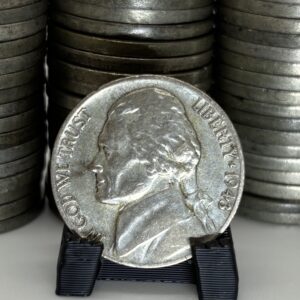
35% Silver Jefferson War Nickels – Sold by Face Value (1942–1945)
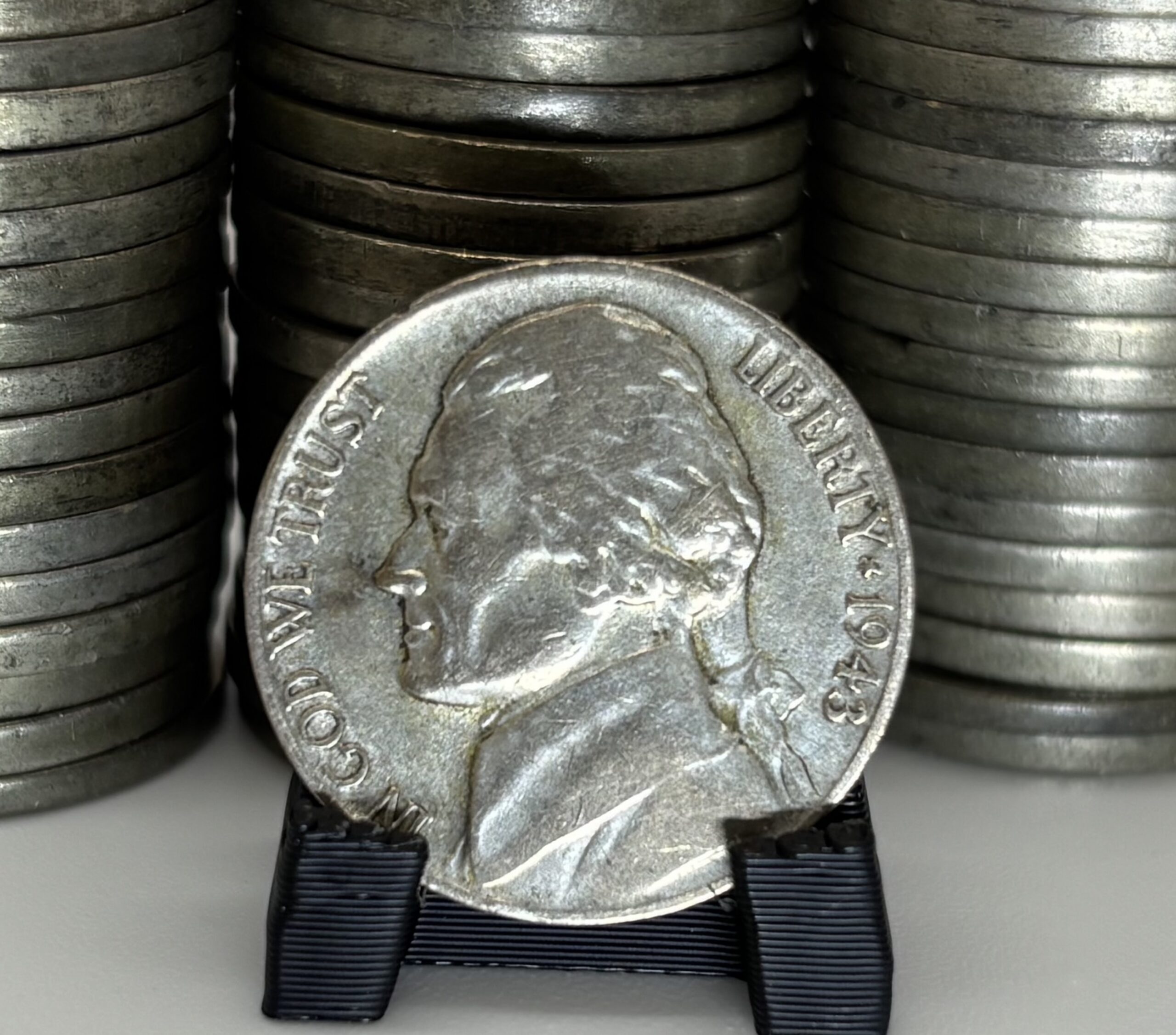
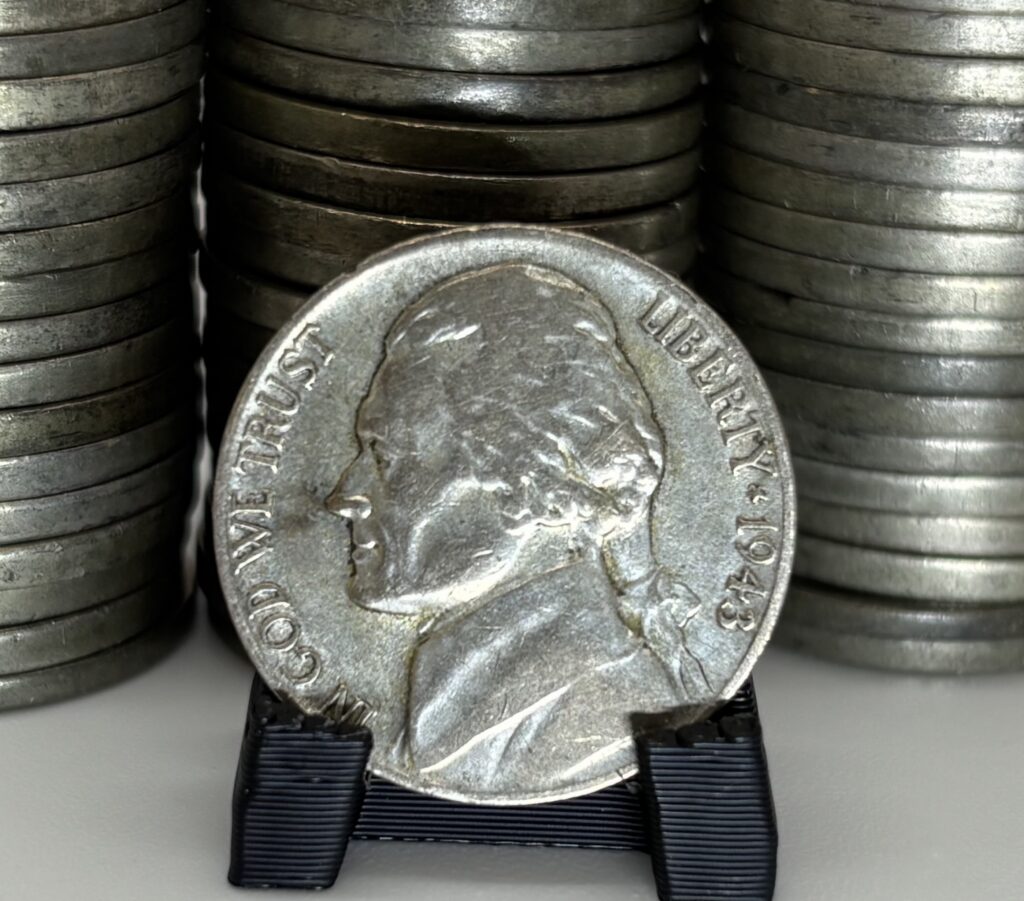
The 35% Silver Jefferson War Nickels were minted during World War II, these historic nickels contain 35% silver and are a unique, affordable way to add real U.S. Mint silver to your collection.
What You Receive
- Circulated 35% silver War Nickels
- Minted 1942–1945
- Sold by face value (e.g., $1, $5, $10, etc.)
Approximate Silver Weight
~0.0563 troy ounces of silver per coin (Weight varies due to circulation wear)
Why Collectors Love War Nickels
- WWII historical significance
- Affordable entry point
- Recognizable and easy to trade
Important Notes
- Sold AS‑IS
- Circulated condition
- No returns or exchanges
A historic and budget‑friendly way to stack real silver.
Buy Jefferson War Nickels Now
The Detailed History of the Jefferson War Nickel (1942–1945)
35% Silver Jefferson War Nickels are one of the most unusual and historically significant coins ever produced by the United States Mint. Struck from late 1942 through 1945, these nickels were created during World War II when the U.S. government urgently needed nickel metal for military manufacturing. To conserve strategic materials, the Mint temporarily changed the composition of the five‑cent coin — resulting in a unique alloy containing 35% silver, 56% copper, and 9% manganese.
This short‑lived wartime coinage remains popular among collectors, silver stackers, and anyone interested in American history.
Why the 35% Silver Jefferson War Nickels Were Created
Nickel Becomes a Critical War Material
By early 1942, nickel was essential for producing:
- Armor plating
- Naval components
- Aircraft engines
- Military vehicles
- Ammunition casings
Nickel’s corrosion resistance made it vital for wartime equipment. As demand surged, the U.S. government redirected the nation’s nickel supply to defense manufacturing, leaving the Mint unable to continue striking standard Jefferson nickels.
Congress Authorizes a New Alloy
On March 27, 1942, Congress approved a temporary change to the nickel’s composition. The new alloy needed to:
- Avoid strategic metals
- Maintain the same weight
- Work in vending machines
- Be easy to produce at scale
After testing dozens of formulas, metallurgists settled on the now‑famous copper‑silver‑manganese alloy.
The First Silver Nickel Since the 19th Century
The War Nickel became the first U.S. five‑cent coin to contain silver since the half dime, discontinued in 1873. Each War Nickel contains:
This silver content is why 35% Silver Jefferson War Nickels remain popular among silver stackers today.
How to Identify a War Nickel
Not all 1942 nickels are silver. Only mid‑1942 through 1945 coins use the wartime alloy.
Key Identifiers
- Large Mintmark Above Monticello
- A large P, D, or S appears above the dome.
- This was the first time Philadelphia used a “P” mintmark on circulating coinage.
- Date Range
- 1942 (partial year)
- 1943
- 1944
- 1945
- Distinctive Toning
- Manganese causes darker, uneven coloration.
- Silver softens the alloy, making wear patterns unique.
Mint Production During the War
1942
- Early 1942 nickels were still the standard 75% copper / 25% nickel alloy.
- After the alloy change, Philadelphia and San Francisco began striking silver nickels.
1943–1945
All nickels produced in these years were War Nickels.
Mintmarks
- P = Philadelphia
- D = Denver
- S = San Francisco
The large mintmark was added to make wartime coins easy to identify and remove from circulation after the war.
Metallurgical Challenges
The wartime alloy behaved very differently from the standard nickel alloy:
Softness from Silver
Silver made the coin softer, causing:
- Faster wear
- More surface marks
- Weak high‑point details
Hardness from Manganese
Manganese made the alloy difficult to strike cleanly:
- Many coins show soft details
- Luster varies dramatically
- Dies wore out faster
This combination makes high‑grade War Nickels surprisingly scarce.
Why War Nickels Matter Today
1. They Contain Real Silver
Each War Nickel contains 35% silver, making them a popular entry point for:
- Silver stackers
- Junk silver collectors
- Bulk buyers
2. They Represent Wartime Innovation
35% Silver Jefferson War Nickels are a physical reminder of America’s industrial mobilization during WWII — even everyday coinage was redesigned to support the war effort.
3. They Are Historically Significant
War Nickels introduced several firsts:
- First circulating coin with a “P” mintmark
- First silver nickel since the 19th century
- First use of a copper‑silver‑manganese alloy
4. They Are Affordable
Most War Nickels trade close to melt value, making them accessible for new collectors and stackers.
Summary: What Makes War Nickels Unique
War Nickels are the only U.S. nickels ever struck with:
- 35% silver
- A large mintmark above Monticello
- A wartime alloy designed for strategic conservation
They remain one of the most interesting and affordable pieces of WWII‑era coinage, combining melt value, history, and strong collector appeal.